Life moves fast. Sometimes it’s so fast that our nervous systems don’t get the chance to slow down, settle, and savor. For trauma survivors, that pace can feel even more demanding. The body holds tension, the mind stays on guard (hello hypervigilance, we see you!), and moments of genuine joy may slip by unnoticed.
But what if there was a gentle, creative practice that helped you collect those small sparks of goodness—those glimmers—and anchor them into something tangible?
That’s where junk journaling becomes a powerful healing tool.
What, pray tell, is Junk Journaling?
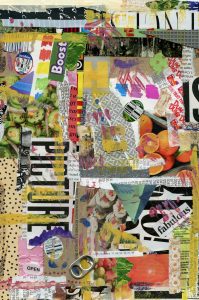
Junk journaling is a creative, imperfect, open-ended form of journaling that uses everyday scraps (or “junk”), like ticket stubs, magazine clippings, pressed leaves, old book pages, washi tape, receipts, photos, fabric, scribbles, lists, and handwritten notes, to create meaningful pages that tell a story. It’s kinda like scrapbooking, but without the perfectly curated pages and scalloped-edge scissors.
Unlike traditional journaling, which relies mostly on writing, junk journaling uses mixed media to express your experiences. It invites color, texture, play, and freedom. There’s no right or wrong way, just what feels grounding and true to you.
And, as we often try to remind survivors, in trauma work, openness really matters.
Junk Journaling as “Rocks of Remembrance”
In the Old Testament, God often invited His people to place stones of remembrance. These are markers of His faithfulness, protection, and presence. These weren’t monuments for public display; they were personal anchors for every time they felt lost, weary, or afraid. In short they were tangible reminders people could touch.
Junk journaling is a modern form of that practice. As people we can forget the good. We forget the wins and moments of joy, especially when we have so many moments of hard. Recovery is not easy work. Life isn’t easy (I mean how many of us have said, “The world is a dumpster fire”?). We need tangible reminders that it’s not hopeless.
Each page can serve as a gentle reminder:
- This moment mattered.
- This feeling was real.
- God was here. He is here.
- I’m healing.
- I made it through.
- Something beautiful broke through today.
When your nervous system is overwhelmed, you can flip back through your journal and see physical evidence of goodness, strength, and glimmers that might otherwise disappear into the noise of daily life.
Using Junk Journaling to Capture Glimmers
Glimmers are micro-moments when your nervous system experiences safety, hope, or connection. They are the opposite of triggers (or negative activation); a spark of calm or delight that helps your body return to regulation.
Junk journaling invites you to collect glimmers like treasures:
- The wrapper from the piece of chocolate you enjoyed in peace
- A leaf you picked up on a walk where your chest finally loosened
- A screenshot of a text message that made you feel seen
- A scrap of the bulletin from a church service that nourished your spirit
- A photo of a sunset that made your shoulders drop
- A page of watercolor you painted simply because you wanted to
Capturing glimmers visually strengthens the neural pathways connected to safety, joy, and regulation. Junk journaling gives it all a convenient location.
How Junk Journaling Supports Mental Well-Being
This practice isn’t just cute or crafty. It’s therapeutic, and neuroscience backs that up.
1. It Reduces Stress and Calms the Nervous System
Creativity activates the parasympathetic nervous system, the body’s “rest and restore” mode. Your breathing slows. Your muscles unclench. Your brain shifts away from survival and into presence.
2. It Strengthens Positive Neural Pathways
Every time you record a glimmer, you reinforce the brain’s ability to recognize safety, goodness, and connection. Over time, this rewires your brain toward resilience. You’re better able to notice what is supportive, not just what is threatening.
3. It Encourages Mindfulness
Junk journaling slows your internal pace. It asks you to be here, in your body, noticing what your hands are touching and what your heart is experiencing. That presence helps reduce anxiety and rumination (rumination is overthinking, which often ends up in a pretty rough thought spiral).
4. It Creates Narrative Healing
Trauma disrupts your story. Junk journaling helps you reconstruct it, not through forced positivity, but through honest, layered expression. Your journal becomes a visual record of your healing journey.
5. It Supports Memory and Cognitive Health
Creative journaling enhances:
- working memory
- attention
- emotional regulation
- cognitive flexibility
All of these ares are deeply affected by trauma and deeply strengthened through artistic processes.
Simple Ways to Begin a Rocks of Remembrance Junk Journal
You don’t need expensive supplies. Start with what you have. You literally just need a notebook, composition book, sketchbook, and some glue or tape.
Try creating pages for:
- Today’s Glimmer: Maybe a fallen leaf or a pressed flower, maybe even a smear of dirt from gardening
- A Verse or Quote that Anchored You: Maybe cut out pictures from a magazine or images you print from an online space
- A Prayer or Breathwork Moment that Grounded You: Maybe painting or coloring the background and then writing on top of that
- A Memory of God’s Faithfulness: Maybe a scripture that speaks to your heart that you write down or create a collage
- Something You’re Letting Go of: Be creative – what do you need to let go? How can that be represented?
- A Collage of Hope for the Future: This could be pictures or items that you collect that bring you hope or light
Let the pages be messy, real, and deeply yours. It may feel uncomfortable at first, too. If you’re used to creating neat, curated, Pinterest-worthy things, allowing yourself to be unstructured, messy, and free could feel really scary! You’re not messed up or crazy – you’re normal and building new neural pathways.
When Healing Feels Slow, Your Journal Reminds You: You Are Moving Forward
Healing rarely looks linear. Some days feel loud and heavy; others hold unexpected peace. Junk journaling helps you honor all of it—the grit and the grace.
As the pages accumulate, you’ll have a growing collection of visual proof:
- You’re healing.
- Your story is still unfolding.
- You have glimmers worth remembering.
- God’s presence keeps finding you, even in the small moments.
And sometimes, that reminder is exactly what your nervous system needs.
Your junk journal is more than paper and scraps—it’s a visual record of your resilience. If you’re ready to take the next step in your healing and growth, our team can help you build on those glimmers with whole-person counseling or coaching.
Contact us today and discover how creative reflection and professional support can work together to help you create more than just a book of memories.